
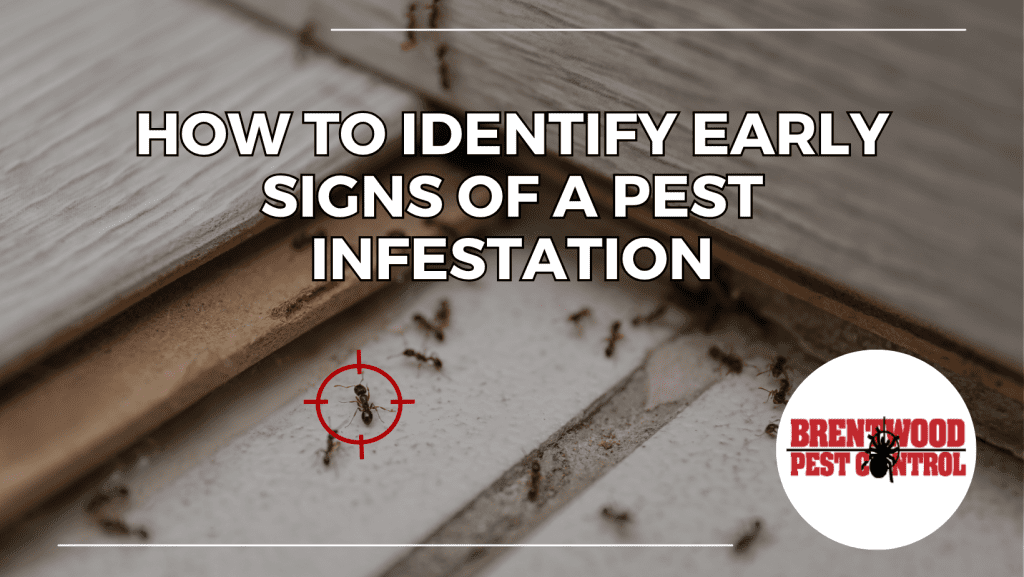
Pests are a common nuisance for homeowners and businesses alike, and while some pests are just an annoyance, others can cause significant damage to your property, health, and finances. The key to effectively managing pest problems is early detection. By identifying the early signs of a pest infestation, you can take action before the situation worsens, saving you time, money, and hassle in the long run.
In this blog, we’ll cover the common signs that indicate a potential pest problem, what you should look for in your home or business, and how professional pest control services can help prevent infestations before they become more serious.
Why Early Detection Matters
The earlier you detect a pest infestation, the easier it is to eliminate the problem before it spirals out of control. Pests, like termites, rodents, and cockroaches, can cause significant damage to your property, belongings, and even your health if left unchecked. Some pests, such as termites, may go unnoticed for months or even years, silently causing structural damage that can be costly to repair.
By recognizing the early signs of pest activity, you can implement preventive measures before a full-blown infestation occurs, which can save you money on treatments and repairs. Early detection also minimizes the health risks associated with pests, such as the transmission of diseases or the development of allergies and asthma.
Common Early Signs of a Pest Infestation
1. Unexplained Sounds in the Walls
Hearing scratching, scurrying, or gnawing noises inside your walls or ceilings is one of the first signs that you may have a rodent infestation. Mice and rats tend to be active at night, so you may hear them moving around or chewing on materials like wood, wires, or insulation. Rodents need to gnaw continuously to wear down their teeth, so they often chew on anything they can find, including electrical wires, which can be a fire hazard.
If you hear unusual sounds, it’s important to investigate further and check for visible signs of rodents, such as droppings, gnaw marks, or chewed-up food packaging.
2. Droppings and Urine Stains
Another common indicator of a pest problem is the presence of droppings or urine stains. Rodent droppings are typically small, dark, and pellet-shaped, and you may find them in areas where rodents have been active, such as near food storage areas, under sinks, or in basements and attics. Cockroach droppings resemble black pepper or coffee grounds and may be found near food or in dark, hidden areas. The presence of these droppings suggests that pests are actively feeding and moving around your home.
Urine stains are another telltale sign, particularly for rodents. You may notice yellow or brownish stains near baseboards, behind appliances, or in areas where rodents are likely to travel. These stains may emit a strong odor, which can be especially noticeable in the case of larger infestations.
3. Gnaw Marks and Damaged Materials
Rodents, especially mice and rats, are notorious for chewing on a variety of materials, including wood, plastic, fabric, and electrical wires. If you notice gnaw marks on furniture, baseboards, food packaging, or electrical wires, it could be a sign that rodents are present. In severe cases, rodents can cause significant structural damage by chewing through walls or insulation.
Termites are another pest that can cause damage to wood structures in your home. If you notice small holes or tunnels in wooden furniture or beams, or if the wood feels hollow when tapped, termites could be at work. Termites often infest areas that are difficult to see, such as inside walls, so early detection is crucial before they cause more extensive damage.
4. Unusual Holes or Nests
Some pests, such as ants, rodents, and insects like termites or carpenter bees, will build nests or create holes in walls, floors, or furniture. If you notice small holes or tunnels in your walls, wooden furniture, or floors, it could be a sign of pest activity. Ants, for example, build nests in the ground or inside walls, while termites create mud tubes or hollow areas inside wooden structures.
Rodents also tend to build nests using soft materials, such as paper, insulation, or fabric. These nests are often hidden in dark, quiet spaces, such as behind appliances, in attic insulation, or under floorboards. If you find unusual piles of shredded material, it could indicate a rodent nest.
5. Visible Pests
Of course, the most obvious sign of a pest infestation is the presence of the pests themselves. If you see insects like ants, cockroaches, or flies crawling around your kitchen, bathrooms, or other areas of your home, it’s time to take action. While seeing a few pests here and there may not necessarily indicate an infestation, a sudden increase in the number of pests should raise concern.
Cockroaches, for example, are nocturnal pests, so seeing one during the day can be a sign of a more significant infestation. Similarly, ants tend to leave visible trails when they find a food source. If you see a trail of ants, it’s a sign that they’ve established a colony nearby and are actively searching for food.
6. Foul Odors
Unpleasant, musty, or foul odors can be another sign of a pest infestation. Rodents often leave behind a strong, musky odor, which can be especially noticeable in areas where they are nesting or hiding. Similarly, cockroaches produce a distinct, oily smell that may become more noticeable in heavily infested areas.
In the case of larger infestations, the odor may become overpowering, and the source of the smell may be difficult to locate. If you notice unusual or persistent odors in your home, it’s a good idea to inspect for pests, particularly in hidden or difficult-to-reach areas.
7. Visible Damage to Food and Packaging
Pests like rodents, ants, and cockroaches are often attracted to food sources in your home. If you find holes in food packaging, especially in pantry items like grains, cereal, or pet food, it could be a sign that pests are feeding on your food. Mice and rats will gnaw through plastic or cardboard packaging to access food, while ants and cockroaches will scavenge for crumbs and food residue.
If you notice that food is consistently being eaten or damaged, even when it’s properly stored, you may be dealing with a pest infestation. Storing food in airtight containers and cleaning up crumbs immediately can help prevent further pest attraction.
How to Respond to Early Signs of a Pest Infestation
If you notice any of the early signs of a pest infestation, it’s important to take action immediately. Here’s what you can do to address the problem:
1. Seal Entry Points
Inspect your home for any cracks, gaps, or holes in windows, doors, and the foundation. Seal any entry points to prevent pests from coming inside. For rodents, ensure that vents, utility lines, and plumbing openings are properly sealed as well.
2. Clean and Declutter
Keep your home clean by regularly vacuuming, wiping down surfaces, and removing food sources that might attract pests. Store food in airtight containers and avoid leaving pet food or crumbs out overnight. A clutter-free environment makes it harder for pests to hide and nest.
3. Contact a Professional Pest Control Service
If you notice the signs of a pest infestation, it’s best to contact a professional pest control service like Brentwood Pest Control. A pest control expert can inspect your property, identify the type of pest, and recommend the appropriate treatment options to eliminate the infestation.
Conclusion
Identifying the early signs of a pest infestation is essential for preventing a small problem from turning into a costly and damaging issue. By staying vigilant and taking action as soon as you notice any signs of pest activity, you can protect your home or business from the risks and damage associated with pests. If you’re unsure about whether you have an infestation, it’s always a good idea to consult with a professional pest control service to get a thorough inspection and expert advice.
For expert pest control services in Brentwood, contact Brentwood Pest Control today at (615) 417-1243 or visit our website at Brentwood Pest Control to schedule your inspection and take proactive steps to protect your home.